How Is Protein Powder Made
A practical step-by-step guide to how is protein powder made, including preparation, instructions, common issues, tips, and next steps.
How Is Protein Powder Made
Ever wonder how a big tub of protein powder starts as milk, peas, or soybeans? This guide explains the entire industrial manufacturing process from raw ingredient to the finished product you scoop into your shaker bottle. We'll walk through the key steps like filtration and drying to demystify how protein is separated, purified, and turned into a stable powder. Understanding this process helps you become a smarter shopper and choose a higher-quality product for your fitness goals.
Fast Answer
- Primary Source: Starts with protein-rich foods like milk, eggs, soybeans, or peas.
- Core Process: Protein is separated from fats, carbs, and water using advanced filtration.
- Final Step: The concentrated liquid protein is instantly dried into a fine powder using hot air.
- Result: A stable, concentrated protein source for supplements.
Before You Start: Key Concepts
Understanding how protein powder is made isn't about doing it yourself at home—it's a high-tech industrial process. Before we walk through the steps, it helps to know the main ingredients and quality standards involved.
- Raw Protein Sources: The journey begins with a whole food. The most common sources are dairy milk (for whey and casein), eggs, soybeans, peas, rice, and hemp. The source determines the type of protein and its amino acid profile.
- Key Technology - Filtration: The heart of the process is separating protein from everything else. Manufacturers use micro-filters with microscopic pores to strain out fats and carbohydrates (like lactose in milk). The more extensive the filtration, the higher the protein purity.
- Key Technology - Drying: To make a shelf-stable powder, all the water must be removed. The industry standard is spray drying, a method that uses hot air to flash-evaporate water, leaving the protein solids behind as a powder.
- Good Manufacturing Practices (GMP): These are regulations enforced by the FDA that require manufacturers to maintain a clean environment, use properly maintained equipment, and follow strict procedures to ensure product safety and quality.
- Third-Party Testing: Because the supplement industry has varying levels of oversight, reputable brands voluntarily pay for independent labs (like NSF International or Informed-Choice) to test their products for purity, potency, and contaminants like heavy metals or banned substances.
Step-by-Step Instructions: The Journey from Farm to Tub
We'll use whey protein—the most popular type on the market—as our main example to illustrate the manufacturing journey. The core principles of separation and drying apply to plant-based proteins as well, with some variations.
Step 1: Sourcing the Raw Ingredient (Milk)
The process begins at dairy farms. Large quantities of milk are collected and transported in refrigerated tankers to a processing facility, which is often a cheese-making plant. Upon arrival, the milk undergoes its first round of quality control tests to check for bacteria, impurities, and overall composition. Only high-quality milk that meets strict standards is accepted for production.
This initial step is critical for safety and ensures the final product is free from contaminants right from the start. The temperature is carefully controlled throughout transport and receiving to prevent spoilage.
Step 2: Separating Curds from Whey
Whey protein is a natural byproduct of cheesemaking. At the plant, the milk is pasteurized (heated to kill harmful bacteria) and then enzymes, like rennet, are added. These enzymes cause the milk to coagulate and separate into two parts:
- Curds: The solid, lumpy part of the milk. These are collected and go on to become cheese.
- Whey: The liquid portion left behind. In the past, this liquid was often discarded. Today, it's recognized as a valuable, high-quality protein source.
This liquid whey is the raw material for whey protein powder. It contains protein, but also lactose (milk sugar), fat, water, and minerals.
Step 3: Filtering and Purifying the Liquid Whey
This is where the magic happens. The liquid whey is sent through a series of incredibly fine filters in a process called microfiltration or ultrafiltration. These high-tech filters have pores so small they can separate protein molecules from the larger fat and lactose molecules.
The liquid is pushed through the membranes at high pressure. Water, lactose, and some minerals pass through, while the larger protein molecules are collected. This process is repeated several times to increase the protein concentration. The extent of this filtration determines what kind of whey protein is made:
- Whey Protein Concentrate (WPC): This is the most common form. It undergoes basic filtration and is typically 70-80% protein by weight. The remaining 20-30% consists of some lactose and fat, which can contribute to a better taste and texture.
- Whey Protein Isolate (WPI): This form undergoes more extensive filtration, removing nearly all the lactose and fat. The result is a much purer product, typically 90% or more protein. It's an excellent choice for people who are sensitive to lactose.
Step 4: Hydrolyzing the Protein (Optional Step)
For some products, there's an additional step called hydrolysis. After filtration, the concentrated liquid protein is treated with enzymes that "pre-digest" it. These enzymes break the long protein chains (polypeptides) into smaller pieces (peptides).
The resulting product is called hydrolyzed whey protein. The theory is that because the protein is already partially broken down, your body can absorb it much faster. This makes it a popular choice for post-workout recovery, though it is often more expensive and can have a more bitter taste.
Step 5: Drying the Liquid Protein into Powder
At this stage, we have a purified, concentrated liquid protein. To make it into the shelf-stable powder you buy, all the water must be removed. This is done through a process called spray drying.
The concentrated liquid is sprayed as a fine mist into a very large, hot chamber. The droplets are so small that the hot air surrounding them (often reaching 300-400°F) instantly evaporates all the water. What's left falls to the bottom of the chamber as a very fine, dry powder. This process is extremely fast, and the protein itself is not exposed to the high heat for long, which helps preserve its quality.
Step 6: Blending and Flavoring
The unflavored protein powder is now ready. From here, it's moved to giant blenders. This is the stage where the final product is formulated. Depending on the product, manufacturers will add:
- Flavors: Natural or artificial flavorings like cocoa powder, vanilla extract, or fruit flavors.
- Sweeteners: Sugar-free sweeteners like sucralose, acesulfame potassium, or natural options like stevia or monk fruit.
- Thickeners: Ingredients like xanthan gum or guar gum to give the mixed shake a smoother, thicker texture.
- Other Additives: Some products include digestive enzymes to help with absorption, creatine for performance, or BCAAs for muscle recovery.
Each ingredient is carefully measured to ensure every single tub has the exact same taste, texture, and nutritional profile. The mixture is blended thoroughly for consistency.
Step 7: Final Quality Control and Packaging
Before the powder is packaged, samples from the batch are sent to an in-house lab for final quality control tests. Technicians verify that the protein content matches the label, check for contaminants like heavy metals or harmful bacteria, and ensure the powder has the right density and mixability.
Once the batch is approved, it's sent to an automated packaging line. Machines fill and weigh each tub, apply an inner seal for freshness, screw on the lid, and attach the label. Lot numbers and expiration dates are printed on each container for traceability. The sealed tubs are then boxed up and shipped to warehouses and retailers.
Quick Reference: Protein Types at a Glance
The type of protein powder is determined by the filtration step. Here's a quick comparison to help you understand labels.
| Protein Type | Key Manufacturing Step | Typical Protein % |
|---|---|---|
| Concentrate (WPC) | Standard filtration | 70-80% |
| Isolate (WPI) | Extensive filtration to remove more fat/lactose | 90%+ |
| Hydrolysate (Hydrolyzed) | Enzymatic "pre-digestion" after filtration | Varies, but fastest absorbing |
| Plant-Based (e.g., Pea) | Mechanical grinding and wet/dry fractionation to separate protein from starch/fiber | 75-85% |
Common Problems in Protein Powder Manufacturing
Even with advanced technology, things can go wrong. Here are some common issues manufacturers work to prevent and what they mean for you as a consumer.
- Poor Mixability or Clumping: This is often a result of improper spray drying or the powder being exposed to moisture during packaging. It can also be caused by not using enough anti-clumping agents or emulsifiers (like lecithin). A quality product should dissolve easily in liquid.
- Inconsistent Flavor or Texture: If the blending process isn't thorough, you might get "hot spots" of flavor or sweetener in a tub. This points to a lapse in quality control during the final blending stage.
- Gritty Texture: This is much more common in plant-based proteins than in whey. It's because plant fibers are harder to fully separate from the protein. Advanced milling and filtering techniques are used to minimize this, but some level of grittiness can remain.
- Contamination: This is the most serious issue. Contaminants like heavy metals (lead, arsenic) can enter from the raw ingredients (especially in plant-based sources from the soil), while bacterial contamination can occur with unhygienic equipment. This is why GMP certification and third-party testing are so important.
- Protein Spiking: An unethical practice where manufacturers add cheap, nitrogen-rich compounds (like free-form amino acids) to the powder. These can trick basic protein tests into showing a higher protein content than is actually present from whole protein sources. Reputable brands test for this and provide transparent lab reports.
Advanced Tips for Being an Informed Consumer
Now that you know how protein powder is made, you can use that knowledge to choose a better product. Here's what to look for on the label.
- Look for the Protein Source First: The very first ingredient should be the protein itself (e.g., "Whey Protein Isolate," not a "proprietary blend"). If you see a long list of fillers or sugars at the top, it's a lower-quality product.
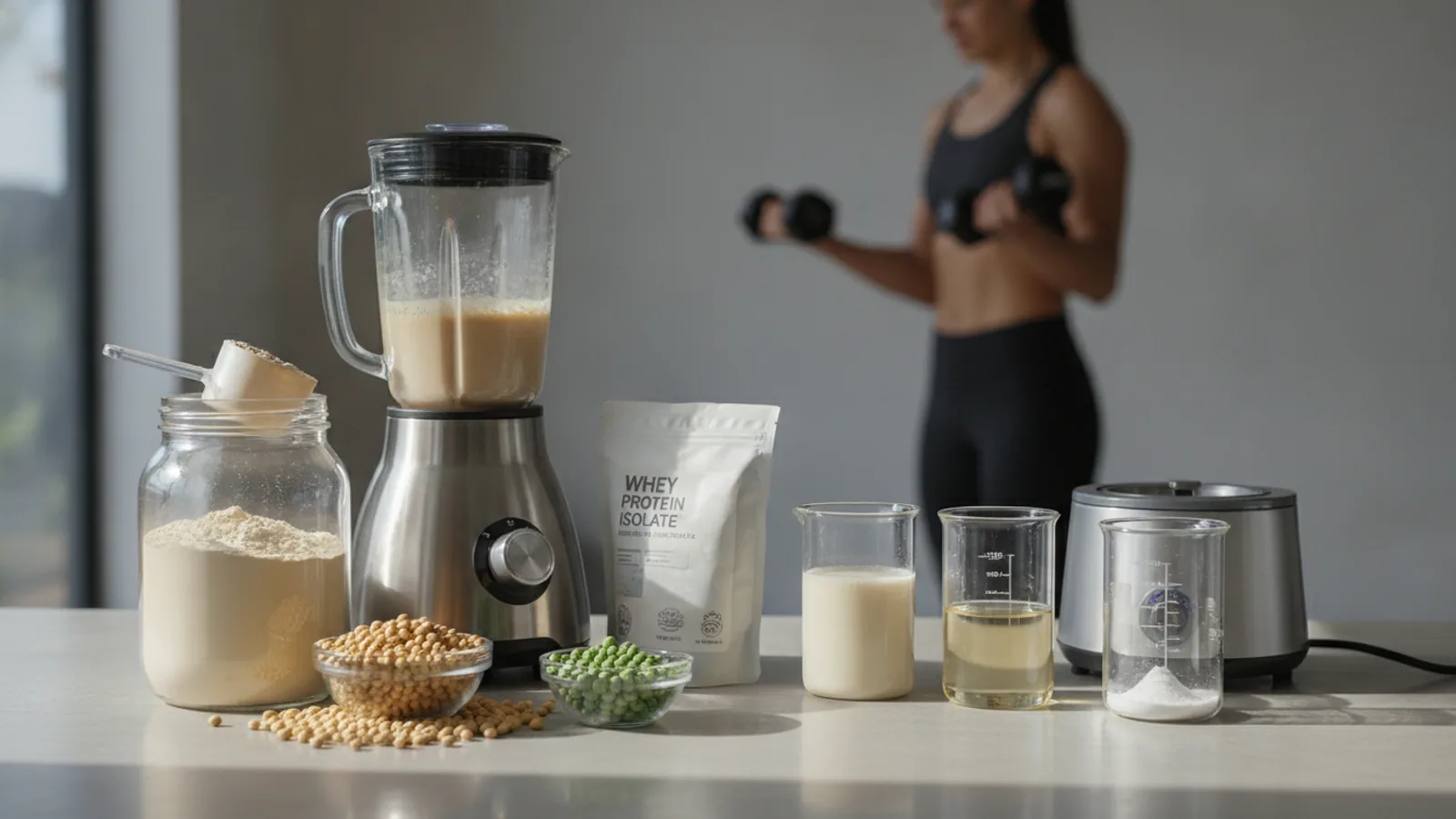
- Understand Plant Protein Processing: For plant proteins like pea or soy, the process is different. It usually involves grinding the dried peas/beans into a flour, then using water or a dry process (dry fractionation) to separate the protein from the fiber and starch. The quality of plant proteins has improved dramatically due to better separation technology.
- Check for Third-Party Seals: Look for logos like NSF Certified for Sport or Informed-Choice on the label. These seals mean the product has been independently tested to verify that what's on the label is actually in the tub and that it's free from banned substances.
- Consider the "Other Ingredients" List: This is where you'll find sweeteners, flavors, and gums. If you prefer a cleaner product, look for a shorter list with natural sweeteners (stevia, monk fruit) and without artificial colors or excessive fillers.
How Is Protein Powder Made FAQ
Here are answers to some of the most common questions about the protein powder manufacturing process.
What's the main difference between how whey and plant protein are made?
The main difference is the separation method. Whey protein is made by filtering a liquid (liquid whey from cheesemaking) to remove unwanted components. Plant proteins are made by processing a solid (like dried peas or soybeans) to mechanically or chemically separate the protein solids from fiber and carbohydrate solids.
Is the manufacturing process safe?
Yes, when done by a reputable manufacturer. Facilities that are cGMP (current Good Manufacturing Practices) certified follow strict FDA guidelines for cleanliness, equipment maintenance, and quality control. The addition of third-party testing provides another layer of safety by checking for contaminants.
Does the heat from spray drying damage the protein?
While the air used in spray drying is very hot, the protein itself is only exposed to it for a fraction of a second. The process is designed to evaporate the water so quickly that the protein solids do not "cook" or become significantly denatured. Most of the protein's nutritional value remains intact.
Why is protein powder so expensive?
The cost comes from several factors: the price of the raw materials (milk prices fluctuate), the expensive, specialized equipment required for filtration and drying, extensive quality control testing, research and development for flavors, and marketing. Higher-purity products like isolates and hydrolysates cost more because they require more processing steps.
Final Checklist for Choosing a Quality Protein Powder
Use your knowledge of the manufacturing process to vet your next purchase. A quality product is a direct result of a quality process.
- Identify the Source and Type: Is it whey, casein, soy, or pea? Is it a concentrate, isolate, or hydrolysate? Choose based on your dietary needs and goals.
- Look for Transparency: Does the brand clearly state the type of protein and how it's processed? Vague terms like "protein blend" can hide cheaper ingredients.
- Verify Third-Party Testing: Check the label or the company's website for seals from NSF, Informed-Choice, or another independent lab. This is your best guarantee against contaminants and protein spiking.
- Scan the Ingredient List: Is it short and easy to understand? Or is it filled with artificial sweeteners, fillers, and ingredients you don't recognize? A cleaner label often indicates a higher-quality focus.
- Consider Your Digestion: If you are sensitive to dairy, choosing a whey isolate (with most lactose removed) or a plant-based protein is a better choice, reflecting the importance of the filtration step.