How Long Can Pre Workout Last
A practical step-by-step guide to how long can pre workout last, including preparation, instructions, common issues, tips, and next steps.
How Long Can Pre Workout Last
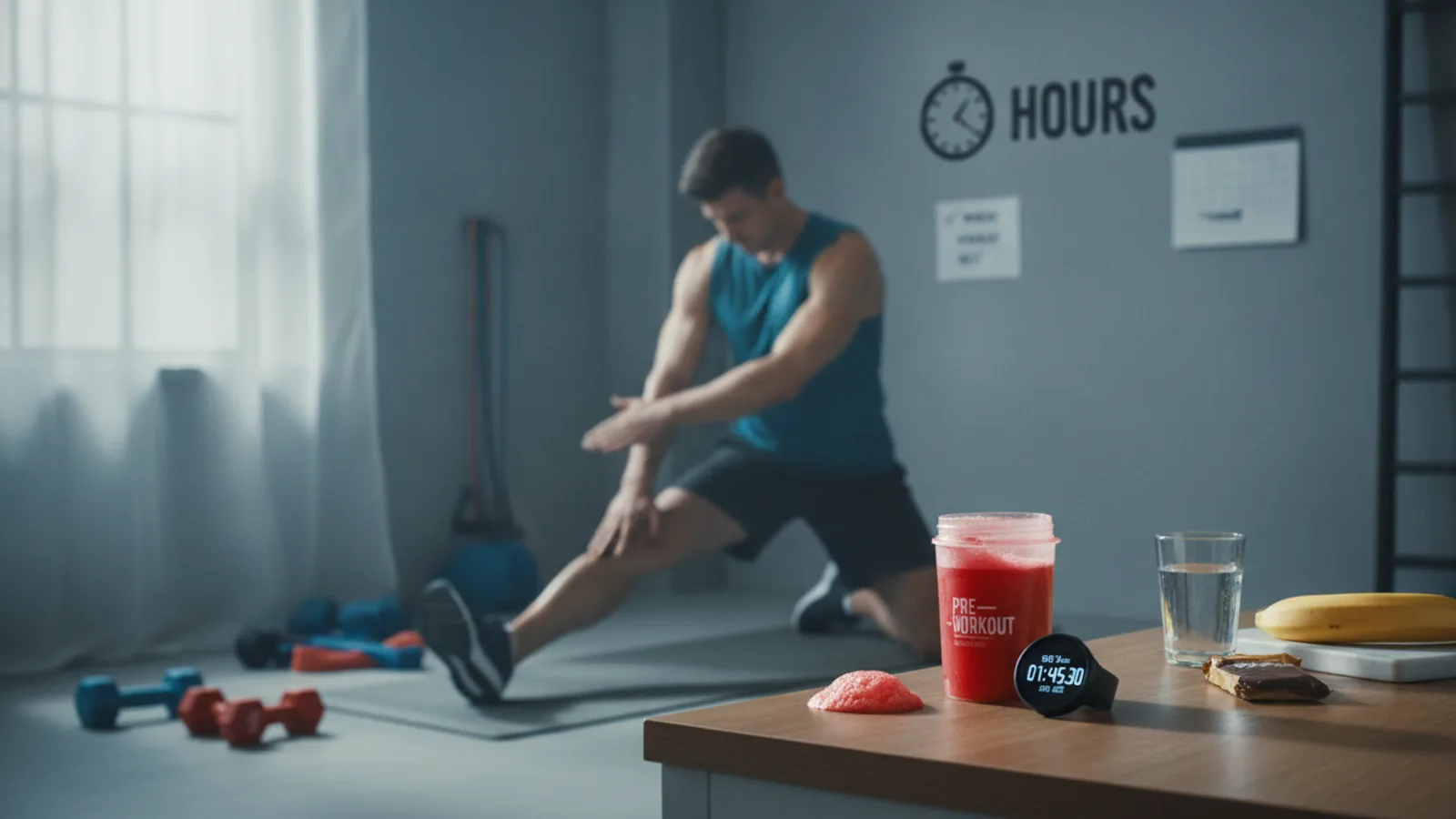
A good pre-workout can make the difference between an average session and a great one, but its effects don't last forever. Generally, you can expect the noticeable effects of a pre-workout to last between 3 to 6 hours, with the peak feeling hitting you about 30 to 90 minutes after you take it. This guide explains the key factors that determine that duration, from the ingredients in your tub to your own body chemistry. We'll walk you through how to time your pre-workout perfectly, manage side effects, and make sure you get the most out of every scoop.
Fast Answer
- Typical Duration: 3 to 6 hours
- Peak Effects: 30 to 90 minutes after consumption
- Key Factor: Caffeine content and individual metabolism
- Recommended Timing: 30 to 60 minutes before exercise
Before You Start
Understanding how long pre-workout lasts begins with knowing what you're taking and how your body might react. A few simple checks beforehand will ensure you have a safe and effective experience.
What You Need
- A pre-workout supplement of your choice
- Access to the supplement's ingredient label and nutrition facts
- A water bottle or shaker cup for proper mixing
- A clearly defined workout plan for the day
Safety, Timing, and Context Checks
Not all pre-workouts are created equal, and neither are the people who take them. Your health status and daily habits play a huge role in how you'll respond to these powerful supplements.
- Know Your Stimulant Limit: The FDA suggests a limit of 400mg of caffeine per day for most healthy adults. Check your pre-workout's dosage and factor in any other caffeine you consume from coffee, tea, or energy drinks.
- Timing is Everything: Taking pre-workout too late in the day can seriously disrupt your sleep. As a rule of thumb, avoid taking any stimulant-based supplements within 6-8 hours of your intended bedtime.
- Listen to Your Body: If you are new to pre-workouts or trying a new brand, always start with a half-scoop to see how you react before committing to a full dose.
Understanding and Managing Pre-Workout Duration
The "how long does it last" question has a multi-part answer. The duration and intensity of pre-workout effects depend on a blend of ingredients, timing, and your unique physiology. Follow these steps to understand the full picture and tailor the experience to your needs.
Analyze the Key Ingredients on the Label
A pre-workout supplement is not a single substance but a cocktail of different ingredients designed to boost performance. The duration of its effects is really the combined duration of its key components. Look for these on your product's label:
- Caffeine: This is the primary driver of the energetic, focused feeling you get. Caffeine has a half-life of about 3 to 5 hours. This means that half of the caffeine you consume is eliminated from your body in that time, but it can take up to 10 hours to clear completely. This is why a late-afternoon dose can keep you up at night.
- Beta-Alanine: This amino acid is responsible for the tingling or pins-and-needles sensation known as paresthesia. While it can be alarming for new users, it's a harmless side effect. The tingling feeling is most intense about 15-20 minutes after consumption and typically fades within 60 to 90 minutes.
- Citrulline Malate / L-Arginine: These are nitric oxide boosters that help improve blood flow to the muscles, creating a "pump." You'll feel these effects most strongly during your workout. While the pump sensation subsides after you finish, improved blood flow can aid in recovery for hours afterward.
- Creatine: Many pre-workouts include creatine for strength and power. However, creatine does not provide an immediate, noticeable feeling. It works by saturating your muscles over time. To get its benefits, you need to take it consistently, not just before one workout.
Time Your Pre-Workout Intake Strategically
When you take your pre-workout is just as important as what's in it. The goal is to have the key ingredients reach their peak concentration in your bloodstream right as you're starting your main lifts or hardest cardio sets.
The ideal window is 30 to 60 minutes before you begin your workout. This gives your digestive system enough time to absorb the compounds and move them into circulation. If you take it too early (e.g., 90 minutes before), you might feel the peak of its energy while you're still stretching. If you take it too late (e.g., right as you walk into the gym), the effects won't kick in until you're halfway through your session.
Consider whether you're taking it on an empty or full stomach. Taking pre-workout on an empty stomach will lead to faster absorption and a more intense, rapid onset of effects. For some, this can cause jitters or an upset stomach. Having a small, easily digestible meal about 60-90 minutes beforehand (like a banana or a piece of toast) can provide a smoother, more sustained release of energy.
Evaluate Your Personal Biological Factors
Your body is the ultimate variable in this equation. Two people can take the same dose of the same pre-workout and have completely different experiences because of their unique physiology.
- Body Weight and Composition: A larger individual generally has more body mass to distribute the supplement across, which can mean they require a slightly higher dose to feel the same effect as a smaller person. Body fat percentage can also influence how certain compounds are stored and metabolized.
- Metabolism: If you have a naturally fast metabolism, your body will process and clear substances like caffeine more quickly. This means the effects might feel strong but have a shorter overall duration. Conversely, a slower metabolism can lead to longer-lasting effects.
- Genetics: Your DNA plays a direct role in how you handle stimulants. The CYP1A2 gene, for example, produces an enzyme that is responsible for breaking down about 95% of the caffeine you consume. Your version of this gene determines whether you are a "fast" or "slow" caffeine metabolizer, directly impacting how long it affects you.
Assess Your Tolerance Level
If you regularly consume caffeine from coffee, tea, or other sources, your body will build a tolerance. This means your system becomes less responsive to its effects, and you'll need more to achieve the same level of alertness or energy.
If you're a daily coffee drinker, the effects of a 200mg caffeine dose in a pre-workout might feel mild and last for a shorter period. For someone who rarely consumes caffeine, the same dose could feel intense and last for many hours. This is why it's critical to start with a low dose to gauge your personal sensitivity.
When you notice that you need more and more pre-workout to get the same kick, it's a clear sign of tolerance. The best way to combat this is to take a "tolerance break" or "stimulant holiday." This involves cutting out all sources of caffeine and other stimulants for 1 to 2 weeks to allow your body's receptors to reset.
Factor in Hydration and Nutrition
Your overall hydration and nutrition status can significantly influence how pre-workout feels and lasts. Dehydration is a performance killer on its own, and it can amplify the negative side effects of stimulants, such as anxiety, headaches, and increased heart rate. Since many pre-workout ingredients have a diuretic effect, it's essential to drink plenty of water.
Make sure you are well-hydrated before you even think about taking your pre-workout. Mix your powder with the recommended amount of water (usually 8-12 ounces) and continue sipping water throughout your workout. Proper hydration helps your body transport nutrients efficiently and manage its core temperature, allowing the pre-workout to do its job effectively.
Similarly, what you eat around your workout matters. As mentioned earlier, a heavy, fatty meal right before your pre-workout will slow down digestion and delay the onset of its effects. A small, carb-focused snack can help stabilize blood sugar and prevent the dreaded post-workout "crash" that sometimes occurs as stimulants wear off.
Quick Reference
| Situation | Use this | Why |
|---|---|---|
| Effects wear off too fast | Take it closer to your workout (e.g., 30 mins before) | To better align the supplement's peak effects with your training window. |
| Can't sleep after an evening workout | Use a stimulant-free pre-workout or take yours at least 6-8 hours before bed | To give caffeine and other stimulants enough time to clear your system before sleep. |
| Feeling too jittery or anxious | Start with a half-scoop and ensure you are well-hydrated | To find your minimum effective dose and reduce side effects caused by stimulants and dehydration. |
| Getting a stomach ache | Mix it with more water and take it with a small snack | To improve the supplement's solubility and buffer your stomach against potent ingredients. |
| It doesn't "hit" anymore | Take a 1-2 week break from all stimulants | To reset your body's tolerance to caffeine and restore the supplement's effectiveness. |
Common Problems When You Use Pre-Workout
Even with perfect timing, you might encounter a few common issues. Here’s how to troubleshoot them.
The Post-Workout Crash
That feeling of sudden exhaustion an hour or two after your workout is often due to the stimulants wearing off, possibly combined with a dip in blood sugar. High-stimulant, low-substance formulas are often the biggest culprits. To prevent this, choose a well-rounded pre-workout, don't overdo the dosage, and—most importantly—fuel your body properly with a post-workout meal containing both protein and complex carbohydrates to replenish your energy stores.
Sleeplessness and Restlessness
This is almost always caused by caffeine taken too late in the day. The half-life rule is key here: if you take 300mg of caffeine at 5 PM, you could still have 150mg in your system at 10 PM, which is more than enough to disrupt sleep. If you're an evening exerciser, your best options are to either work out earlier or switch to a stimulant-free pre-workout formula that focuses on pump and endurance ingredients like citrulline and beta-alanine instead of caffeine.
Jitters, Anxiety, and Tingling
The "jitters" are a classic sign of taking too much caffeine for your personal tolerance. The solution is simple: reduce the dose. The tingling sensation is from beta-alanine and is not dangerous, but if you find it uncomfortable, look for formulas with a lower dose or without it entirely. Sometimes, pairing caffeine with L-Theanine can help smooth out the energy boost and reduce anxiety.
Advanced Tips for Pre-Workout Use
Once you've mastered the basics, you can use these advanced strategies to further optimize your results.
Cycling Your Supplements
To keep your tolerance low and the effects of pre-workout potent, implement a cycling strategy. A common protocol is to use a stimulant-based pre-workout for 4 to 6 consecutive weeks, followed by a 1 to 2-week break where you use no stimulants at all. This "washout" period allows your adrenal receptors to reset, making the supplement feel effective again when you reintroduce it.
Using Stimulant-Free Formulas on Off-Days or Late Nights
You don't need a high-stimulant pre-workout for every single session. For lighter workout days, recovery sessions, or evening training, a stimulant-free pre-workout is an excellent tool. These formulas provide the pump and endurance benefits from ingredients like citrulline malate and betaine anhydrous without the caffeine, so you get a better workout without sacrificing your sleep or building unnecessary tolerance.
Matching the Formula to Your Workout
Different workouts have different demands. If you're preparing for a long, 2-hour endurance run, you might benefit from a formula with electrolytes and ingredients that support sustained energy. If you're about to do a short, intense powerlifting session, a formula heavy on creatine and fast-acting stimulants might be more appropriate. Reading labels and understanding ingredients allows you to pick the right tool for the job.
How Long Can Pre Workout Last FAQ
How long does the tingling from beta-alanine last?
Can pre-workout go bad or expire?
How long does pre-workout stay in your system?
Is it safe to take pre-workout every day?
What happens if you take pre-workout and don't work out?
Final Checklist for Pre-Workout Duration
Use this final checklist to ensure you're getting a safe, effective, and appropriately-timed boost every time you train.
- Check the Label: Know the caffeine dosage and key ingredients in your product before you take it.
- Time it Right: Consume your pre-workout 30-60 minutes before you start your main exercises.
- Start Small: If you're new to a product, always begin with a half dose to assess your personal tolerance.
- Hydrate Diligently: Drink plenty of water before, during, and after your workout to support performance and minimize side effects.
- Mind the Clock: Avoid taking any stimulant-based pre-workout within 6-8 hours of your planned bedtime to protect your sleep.
- Plan Your Breaks: Implement a tolerance break of 1-2 weeks every 4-6 weeks to keep the supplement effective.
- Consult a Pro: If you have any underlying health conditions, talk to your doctor before adding a pre-workout to your routine.