How Much Protein In A Chicken Wing
A practical step-by-step guide to how much protein in a chicken wing, including preparation, instructions, common issues, tips, and next steps.
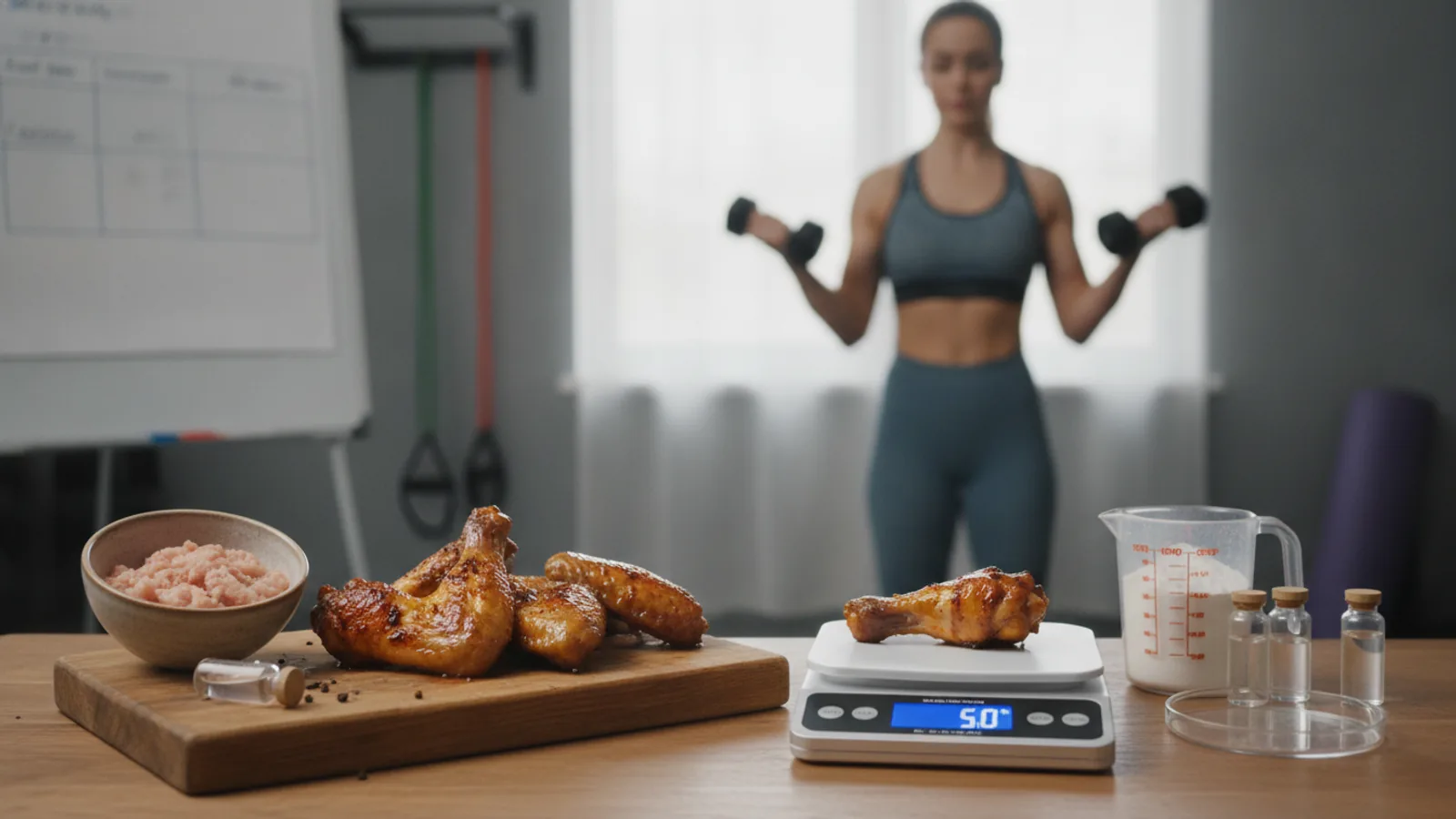
How Much Protein In A Chicken Wing
A single chicken wing can contain anywhere from 6 to 11 grams of protein, but the exact amount depends heavily on its size, cooking method, and whether it's slathered in sauce. Understanding these factors is key to accurately tracking your protein intake for fitness goals. This guide walks you through a simple, step-by-step process to calculate the protein in any chicken wing, whether you're eating out or cooking at home, so you can stay on top of your nutrition with confidence.
Fast Answer
- Average Bone-In Wing: ~6 to 9 grams protein
- Average Boneless Wing: ~7 to 11 grams protein
- Key Factors: Size, cooking method, sauce, and breading
Before You Start Calculating Protein
To get an accurate protein count, you need a little more information than just "one chicken wing." The difference between a small, baked wing and a large, breaded and fried wing is significant. Gathering a few details first will make your calculation much more precise.
What You Need
- A Digital Food Scale: This is the most important tool for accuracy. Guessing weight can lead to large errors in your nutrition tracking.
- Nutrition Information Source: A reliable database is essential. The USDA FoodData Central is the gold standard. Nutrition tracking apps like MyFitnessPal or Cronometer also use large databases.
- Details About Your Wings: Know the basics—are they bone-in or boneless? Flats or drumettes? Raw or cooked? What was the cooking method (baked, fried, grilled)? What sauces or rubs were used?
Step-by-Step Instructions to Find the Protein in a Chicken Wing
Follow these steps to move from a rough guess to a confident calculation of the protein on your plate.
Identify the Wing's Characteristics
First, figure out what you're working with. This initial assessment sets the foundation for an accurate lookup.
- Type: Is it a "drumette" (looks like a small drumstick), a "flat" (the middle part of the wing), or a whole wing? Drumettes generally have a slightly better meat-to-bone ratio.
- State: Is it bone-in or boneless? Remember, a "boneless wing" isn't a wing at all—it's typically breaded chicken breast meat, which changes the nutritional profile significantly.
- Cooking Method: Was it grilled, baked, air-fried, or deep-fried? Frying, especially with breading, adds calories, fat, and carbohydrates that you'll need to account for.
Weigh the Edible Portion
This is the most critical step for accuracy. Place a small bowl or plate on your digital food scale and press the "tare" or "zero" button. This subtracts the plate's weight. Now, add the chicken wings. For the best result, use one of these two methods:
- Method A (Good): Weigh Cooked Wings Whole. Place all your cooked wings on the scale and record the total weight in grams or ounces. You will use this weight to look up a "cooked, bone-in chicken wing" entry in your database. This is less accurate because databases use an average meat-to-bone ratio.
- Method B (Best): Weigh the Meat Only. Eat the wings first! After you're done, place all the leftover bones on the scale and weigh them. Subtract the bone weight from the total starting weight of the wings. The result is the precise weight of the meat and skin you consumed.
Use a Reliable Nutrition Database
With the weight of your edible portion, turn to a trusted source. Avoid generic blog posts or unverified search results. Go directly to a nutrition authority.
Open the USDA FoodData Central website or your preferred nutrition app. In the search bar, be as specific as possible. For example, instead of "chicken wing," search for:
- "Chicken wing, roasted, meat and skin"
- "Chicken, broiler or fryer, wing, meat only, fried, battered"
Find the entry that best matches your wing. The database will provide nutritional information per 100 grams. Use your measured weight to calculate the protein. For example, if you ate 80 grams of meat and the database says there are 30 grams of protein per 100g, your calculation is: (80g / 100g) * 30g protein = 24 grams of protein.
Account for Sauces, Breading, and Rubs
Plain chicken wings are rarely eaten plain. The sauce and coating can drastically alter the nutritional value, often adding fat, carbs, and sodium without contributing much protein. You must account for them separately.
Estimate the amount of sauce used. A typical serving of wings is tossed in about 1-2 tablespoons of sauce. Look up the nutritional information for that sauce.
- Buffalo Sauce: Mostly vinegar and pepper, but the traditional recipe includes a lot of melted butter. This adds significant fat. Look up "buffalo sauce" and add the fat and calories.
- BBQ Sauce: Primarily sugar-based. This can add 10-15 grams of carbohydrates (or more) per serving.
- Breading: If the wings are breaded and fried, this adds both carbohydrates from the flour and a large amount of fat absorbed during frying. Find an entry for "fried breaded chicken wing" to get a closer estimate.
Calculate the Total Protein
Finally, add everything together. In most cases, the protein from the sauce is negligible, so your main focus will be the protein from the chicken meat itself. Your final log should include the protein from the chicken plus the fats and carbohydrates from the cooking method and sauce.
For example, a serving of 5 baked wings (150g of meat) with a dry rub might be around 45g of protein, 25g of fat, and 2g of carbs. The same wings, breaded, fried, and tossed in BBQ sauce, could be closer to 40g of protein, 45g of fat, and 30g of carbs. The protein changes slightly due to breading displacement, but the other macros change dramatically.
Common Problems When Calculating Wing Protein
Even with a scale and a database, a few common mistakes can throw off your calculations. Here’s how to avoid them.
- Trusting Restaurant Menus Blindly. A menu might list "1200 calories" for an order of wings, but this is an average. The actual wings you receive could be larger or smaller, or have more sauce than the standard portion. Use their data as a guideline, but rely on your own estimation skills if a serving looks unusual.
- Forgetting to Subtract Bone Weight. This is the most frequent error. If you weigh a 150g serving of bone-in wings and log it as 150g of meat, you're overestimating your protein intake by 30-40%. Always account for the bones.
- Ignoring the Sauce's Impact. It's easy to think of sauce as just flavor, but it's a major source of calories, sugar, and fat. A "naked" wing and a "honey garlic" wing are two completely different foods from a nutritional standpoint. Always log the sauce.
- Treating "Boneless" and "Bone-In" the Same. Boneless wings are not deboned wings. They are pieces of chicken breast, breaded and fried. They have no bone waste, but the breading-to-meat ratio is high. Look them up separately as "chicken nuggets" or "boneless wings" for a more accurate entry.
Advanced Tips for Highly Accurate Tracking
For those who are serious about precision in their diet, these techniques can help you dial in your numbers even further.
- Calculate Your Own "Per Wing" Average. When you cook a large batch of wings at home, weigh the entire package raw. Then count the total number of wings. This gives you an accurate average raw weight per wing for that specific brand. You can use this average for future calculations when you only eat a few.
- De-bone a Sample Wing Before Cooking. To find the exact meat-to-bone ratio for the wings you buy, take one raw wing, carefully remove all the meat and skin from the bone, and weigh each component separately. This gives you a precise percentage (e.g., 65% meat, 35% bone) that you can apply to that batch.
- Use Raw Weights for Home Cooking. Water loss during cooking is highly variable. A well-done, crispy wing will weigh less than a lightly baked one, even if they started at the same size. Weighing raw meat and using a database's "cooked" value for that raw amount eliminates this variable. Most nutrition apps have a feature for this (e.g., you enter "4 oz raw chicken wing" and it calculates the cooked nutrition).
Quick Reference Guide
| Situation | Method to Use | Why It Works |
|---|---|---|
| Eating wings at a chain restaurant | Use the restaurant's nutrition guide if available. If not, search your app for a generic entry like "Restaurant-style Buffalo Wings." | These generic entries are based on averages from popular chains and provide a reasonable estimate that accounts for frying and sauce. |
| Cooking wings at home casually | Weigh your portion of cooked wings, subtract 35% for the bones, then look up the resulting meat weight. | This "35% rule" is a fast and decent approximation for the average weight of bones in a batch of mixed flats and drumettes. |
| Strict macro tracking at home | Weigh the cooked wings, eat them, then weigh the leftover bones. Subtract the bone weight to get the exact edible portion weight. | This is the gold-standard method. It eliminates all guesswork about meat-to-bone ratios and provides a precise number to look up. |
| Meal prepping a large batch of wings | Weigh the entire batch of meat raw. Cook as desired. Portion out the wings by count. Divide the total raw weight nutrition by the number of wings. | This gives you a highly accurate and consistent "per wing" nutritional value specific to your batch and cooking style. |
How Much Protein In A Chicken Wing FAQ
How much protein is in a boneless wing?
Does the cooking method change the protein content?
How many wings do I need for 30 grams of protein?
Is chicken skin a good source of protein?
Final Checklist for Finding Chicken Wing Protein
Use this checklist to ensure you've covered all the bases for an accurate protein count every time.
- Identified the wing type (bone-in, boneless, flat, drumette).
- Noted the cooking method (baked, fried, grilled) and any breading.
- Used a digital food scale to measure weight.
- Accurately determined the weight of the edible portion (meat and skin only).
- Subtracted the weight of the bones from the total.
- Used a high-quality nutrition database (like USDA FoodData Central) for your lookup.
- Estimated and added the nutritional information for any sauces or rubs.
- Combined all components for a final, accurate macro count.