How To Relieve Shin Pain From Walking
A practical step-by-step guide to how to relieve shin pain from walking, including preparation, instructions, common issues, tips, and next steps.
How To Relieve Shin Pain From Walking
Shin pain, often called "shin splints," is a common frustration for walkers that can derail a fitness routine. This sharp or aching pain along your shinbone is typically an overuse injury caused by stressing the bone and surrounding tissues. This guide provides a clear, step-by-step process to relieve the immediate pain using proven methods like R.I.C.E. (Rest, Ice, Compression, Elevation). We will also walk you through crucial long-term strategies, including stretching, strengthening, and choosing the right gear, to help you get back on your feet and prevent the pain from returning.
Fast Answer
- Immediate Relief: Apply the R.I.C.E. method (Rest, Ice, Compression, Elevation) for the first 48-72 hours.
- Key Prevention: Wear supportive footwear, stretch regularly, and increase walking distance gradually.
- When to Stop: If pain is sharp, localized to one spot, or doesn't improve with rest, consult a doctor.
Before You Start
Dealing with shin pain effectively requires a few simple items for immediate relief and a commitment to addressing the underlying causes. Gather these items before you begin the recovery process.
- Ice Pack: A commercial gel pack, a bag of frozen peas, or ice cubes in a plastic bag will work to reduce inflammation.
- Thin Towel: To wrap the ice pack and protect your skin from ice burn.
- Elastic Compression Bandage: An ACE-style bandage helps control swelling.
- Pillows or Cushions: For elevating your leg comfortably above heart level.
- Supportive Shoes: Proper footwear is your best defense against recurrence.
- (Optional) Foam Roller: Useful for releasing tightness in surrounding muscles once the initial pain has subsided.
Step-by-Step Instructions
Immediately Stop Walking and Rest Your Legs
The very first and most important step is to stop the activity that is causing the pain. Pushing through the discomfort will only increase inflammation and delay your recovery. Your body is sending a clear signal that the muscles and bones in your lower leg are overloaded.
Rest means more than just stopping your walk. For the next 48 to 72 hours, avoid any high-impact activities, including running, jumping, and even prolonged standing if possible. If you want to remain active, choose low-impact exercises like swimming or cycling, which don't put repetitive stress on your shins.
Apply Ice to Reduce Pain and Swelling
Icing is a powerful tool for combating the inflammation that causes shin pain. The cold constricts blood vessels, which helps reduce swelling and numbs the nerve endings, providing immediate relief.
Wrap an ice pack or a bag of frozen vegetables in a thin towel. Never apply ice directly to your skin, as this can cause damage. Place the wrapped ice pack on the sore area of your shin for 15 to 20 minutes. You can repeat this process every 2 to 3 hours during the first couple of days of recovery.
Use a Compression Bandage to Control Swelling
Compression helps prevent fluid from building up in the tissue around your shin, which further helps to manage swelling and provides gentle support. Use an elastic compression bandage for this step.
Start wrapping at the point farthest from your heart (near your ankle) and wrap upwards towards your knee. The wrap should be snug but not painfully tight. If your foot starts to feel numb, tingle, or turn blue, the bandage is too tight and you need to rewrap it more loosely. Remove the compression bandage when you go to sleep.
Elevate Your Leg Above Your Heart
Elevation uses gravity to help drain excess fluid away from the site of injury, reducing swelling and discomfort. This is most effective when your lower leg is positioned higher than your heart.
Lie down in a comfortable position on a couch or bed. Prop your affected leg up on a stack of two or three pillows. Aim to keep it elevated as much as possible during your rest periods, especially after applying ice.
Perform Gentle Shin and Calf Stretches
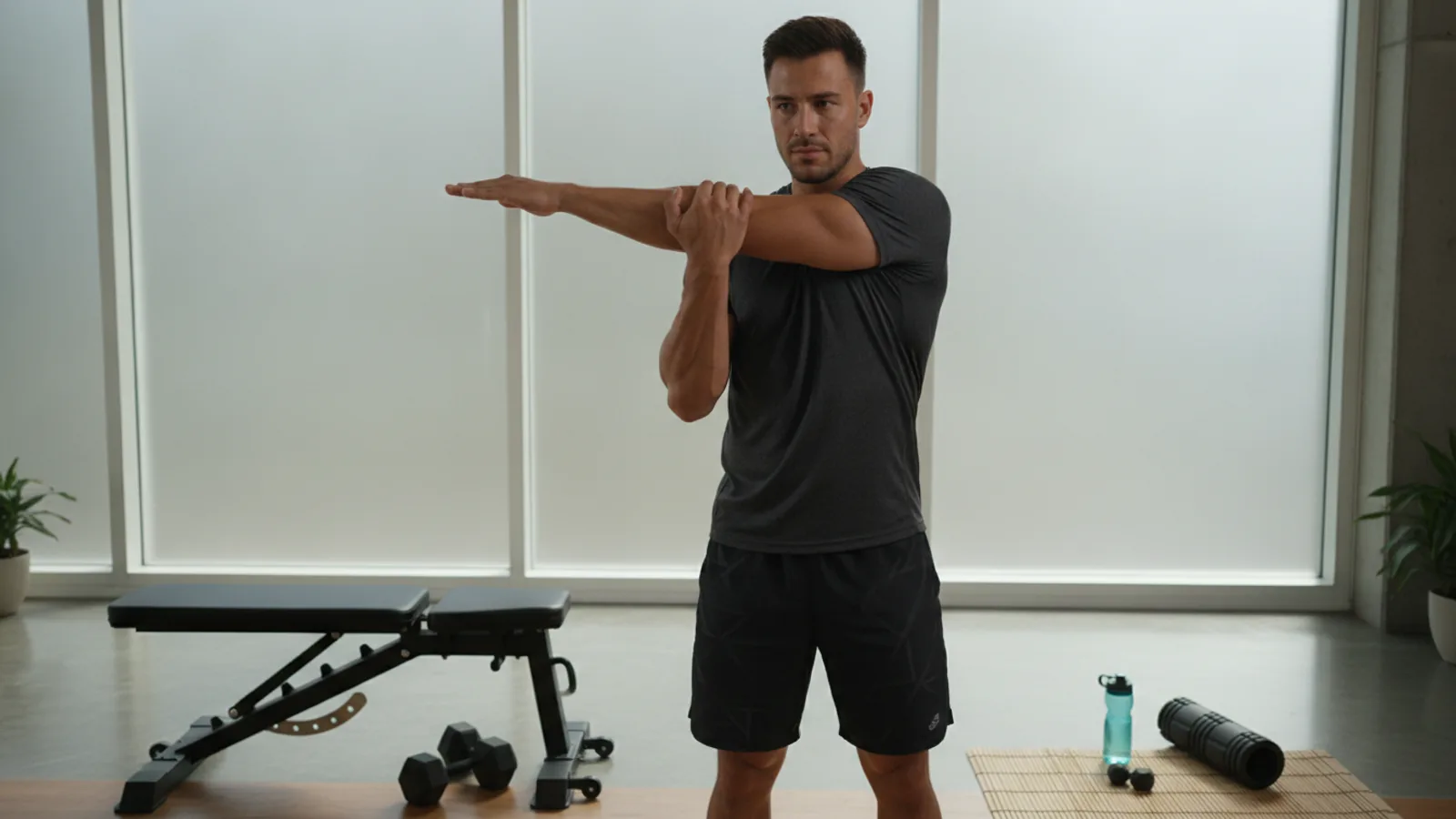
Once the initial sharp pain has subsided (usually after 2-3 days), you can begin to introduce gentle stretches. Tight calf muscles are a primary contributor to shin pain, as they pull on the muscles at the front of your leg. Stretching helps release this tension.
- Calf Stretch: Stand facing a wall with your hands on it for support. Step one foot back, keeping the leg straight and the heel on the floor. Gently lean forward until you feel a stretch in your calf. Hold for 30 seconds and repeat 3 times on each leg.
- Shin Stretch: Kneel on a soft surface with the tops of your feet flat on the floor. Slowly sit back onto your heels until you feel a gentle stretch along the front of your shins. If this is too intense, place your hands on the floor in front of you to control the pressure. Hold for 20-30 seconds.
Strengthen the Muscles in Your Lower Legs
After the pain is gone, strengthening the muscles that support your shinbone is crucial for prevention. Weak muscles are unable to properly absorb the shock of walking, leading to overuse injuries.
- Toe Raises: Stand with your back against a wall and your heels about a foot away from it. Keeping your legs straight, lift the toes and front of your feet off the ground, flexing the muscle on the front of your shin (tibialis anterior). Hold for a second, then slowly lower. Aim for 3 sets of 15 repetitions.
- Calf Raises: Stand with your feet flat on the floor. Slowly rise up onto the balls of your feet, hold for a moment, and then slowly lower your heels back down. Perform 3 sets of 20 repetitions.
- Heel Walks: Walk around for 30-60 seconds at a time balancing only on your heels, with the rest of your foot lifted off the floor. This directly strengthens the shin muscles.
Evaluate Your Footwear for Proper Support
Your shoes are your first line of defense against impact forces. Worn-out or unsupportive footwear is one of the most common causes of shin pain from walking. A good walking shoe should provide both cushioning to absorb shock and stability to control foot motion.
Check your current shoes for signs of wear, especially on the outsole and in the midsole cushioning. A simple test is to place them on a flat surface; if they wobble or tilt, they've likely lost their structural integrity. Consider visiting a specialty running or walking store where staff can analyze your gait and recommend a shoe type that matches your foot's arch and pronation pattern. Sometimes, a simple over-the-counter insole can add the necessary arch support to an otherwise good shoe.
Gradually Return to Your Walking Routine
Once you are pain-free, it's tempting to jump right back into your old routine. This is a common mistake that often leads to re-injury. You must allow your body to adapt slowly to the stress of walking again.
A safe guideline is the 10 percent rule: do not increase your weekly walking distance, frequency, or duration by more than 10 percent. For example, if you walk 5 miles one week without pain, aim for no more than 5.5 miles the following week. This gradual progression gives your bones, muscles, and connective tissues time to rebuild and get stronger.
Quick Reference
| Situation | Use this | Why |
|---|---|---|
| Dull, aching pain along the shin after a walk. | R.I.C.E. protocol (Rest, Ice, Compression, Elevation). | This is the standard first-aid for overuse injuries like shin splints to reduce inflammation and pain. |
| Pain returns as soon as you start walking again. | Reduce activity volume by 50% and focus on strengthening exercises. | Your tissues are not yet strong enough to handle the load. A slower, more cautious return is needed. |
| Sharp pain in one specific spot on the bone. | Stop all activity and consult a doctor. | This is a classic symptom of a stress fracture, which requires a medical diagnosis and different treatment. |
| Pain continues for more than two weeks despite rest. | See a physical therapist. | A professional can identify underlying biomechanical issues (like gait problems) and create a personalized rehab plan. |
Common Problems When You Relieve Shin Pain From Walking
Even with the best plan, you might run into some hurdles. Here’s how to troubleshoot common issues.
The Pain Disappears With Rest But Comes Right Back
This is the most common complaint and it almost always signals a return to activity that was too much, too soon. Your shin may feel fine after a few days of rest, but the underlying tissue has not fully healed or strengthened. You must be more disciplined with the "Gradual Return" step. Cut your walking distance in half and strictly adhere to the 10 percent rule for weekly increases. Also, be more consistent with your strengthening and stretching exercises, as these build resilience against future injury.
Stretching Seems to Make the Pain Worse
If you feel sharp pain while stretching, you are either pushing too hard or you are stretching too early in the healing process. In the first 48 hours, the area is highly inflamed, and stretching can aggravate it. Stick to just R.I.C.E. initially. When you do start stretching, it should only ever create a feeling of gentle tension. If it hurts, back off immediately. Focus on stretching the surrounding muscles, like your calves and hamstrings, which can indirectly relieve pressure on the shin.
New Shoes Didn't Solve the Problem
While footwear is a huge factor, it's not the only one. If new, supportive shoes haven't fixed the issue, look at other potential causes. Are you walking on very hard surfaces like concrete all the time? Try switching to a softer surface like a running track or a dirt path. Is your walking form correct? You may be overstriding (landing heavily on your heel with your leg extended far in front of you). Focus on taking shorter, quicker steps to reduce impact. If problems persist, a gait analysis from a physical therapist is the next logical step.
Advanced Tips for Relieving Shin Pain From Walking
Once you’ve mastered the basics, these advanced techniques can accelerate your recovery and further bulletproof your shins against future pain.
Incorporate Foam Rolling
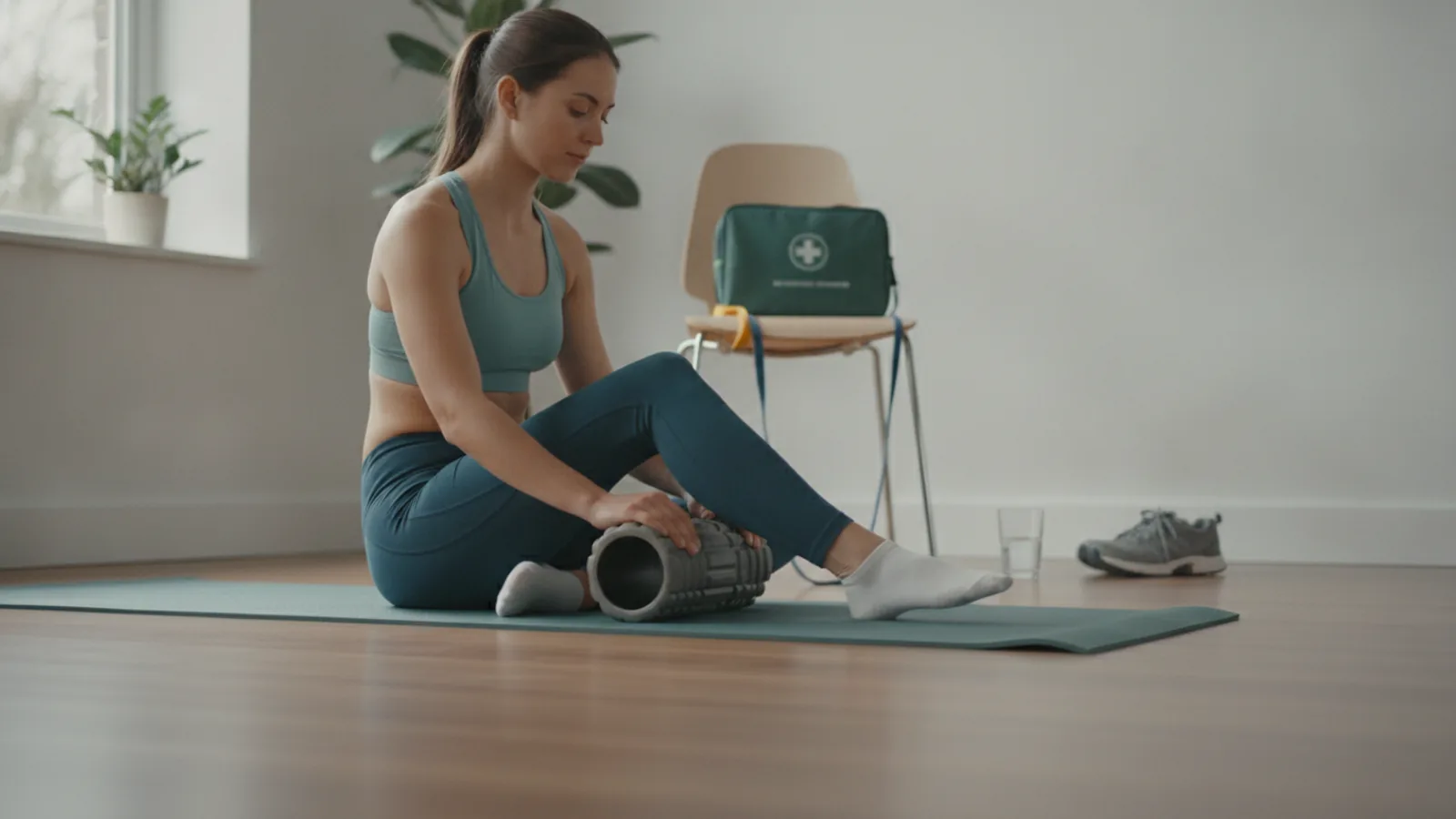
Tight muscles in your calves can put enormous strain on your shinbone. A foam roller is an excellent tool for self-massage to release this tightness. Sit on the floor with the foam roller under your calf. Use your hands to support your body and gently roll back and forth from your ankle to just below your knee. When you find a tender spot, pause on it for 20-30 seconds. You can also target the tibialis anterior muscle on the front of the shin, but be very careful to roll on the muscle, not directly on the shinbone itself.
Cross-Train to Maintain Fitness
Resting from walking doesn't mean you have to stop exercising completely. Cross-training with low-impact activities is a fantastic way to maintain your cardiovascular health without stressing your shins. Excellent options include swimming, deep-water running, using an elliptical machine, or cycling. This allows your lower legs to heal while the rest of your body stays fit and strong.
Pay Attention to Your Walking Surface
The surface you walk on has a significant effect on the amount of impact your body absorbs. Concrete is the hardest and most unforgiving surface. If possible, vary your walking routes to include softer surfaces. Asphalt is slightly better than concrete, while dirt trails, grass, and synthetic tracks are the most forgiving. Even a small change, like walking on the asphalt road instead of the concrete sidewalk, can make a difference over time.
How To Relieve Shin Pain From Walking FAQ
How long does it take for shin pain from walking to go away?
The recovery timeline varies greatly depending on the severity of the injury and your adherence to treatment. Mild cases of shin splints can feel better within a few days of rest. More stubborn or severe cases can take 3 to 6 weeks, or sometimes longer, to fully resolve. The key to a faster recovery is to address the issue immediately and not try to "walk through" the pain.
Can I still walk with shin pain?
It's highly recommended to stop walking completely for at least 2-3 days to let the initial inflammation die down. After that, your guide should be pain. If you can walk for a short distance completely pain-free, it is generally okay. However, if you feel any ache or twinge, you should stop immediately. Listening to your body is critical to avoid turning a minor issue into a chronic problem.
Do compression socks help with shin pain?
Yes, many people find compression socks or sleeves beneficial. They provide graduated pressure that can help improve blood circulation, reduce muscle vibration during impact, and offer a feeling of support. While they are not a cure, they can be a very helpful tool for managing symptoms, especially when you are returning to activity.
What is the main cause of shin pain from walking?
The most common cause is overuse, specifically doing "too much, too soon." This can mean a sudden increase in walking distance, speed, or frequency. Other major contributing factors include wearing worn-out or improper footwear, having flat feet or rigid arches, and walking on hard surfaces. It's an umbrella term for pain caused when the muscles, tendons, and bone tissue in the lower leg become overworked.
Final Checklist for Relieving Shin Pain From Walking
Use this checklist to ensure you're taking all the right steps to treat your shin pain and prevent it from returning.
- Immediate Action: Have you implemented the R.I.C.E. protocol for the first 48 hours?
- Rest: Have you stopped walking and other high-impact activities to allow for healing?
- Footwear Check: Have you inspected your shoes for excessive wear and ensured they provide adequate support for your foot type?
- Stretching Routine: Are you performing daily, gentle stretches for your calf and shin muscles?
- Strengthening Program: Have you incorporated exercises like toe raises and calf raises into your routine?
- Gradual Progression: When you return to walking, are you following the 10 percent rule to avoid overloading your shins?
- Medical Review: If pain is severe, constant, or localized to a single point, have you made an appointment with a doctor or physical therapist?