Pea Protein vs Whey: Which Should You Choose?
A practical head-to-head comparison of Pea Protein and Whey, covering quick verdict, key differences, category winners, buyer fit, and FAQ.
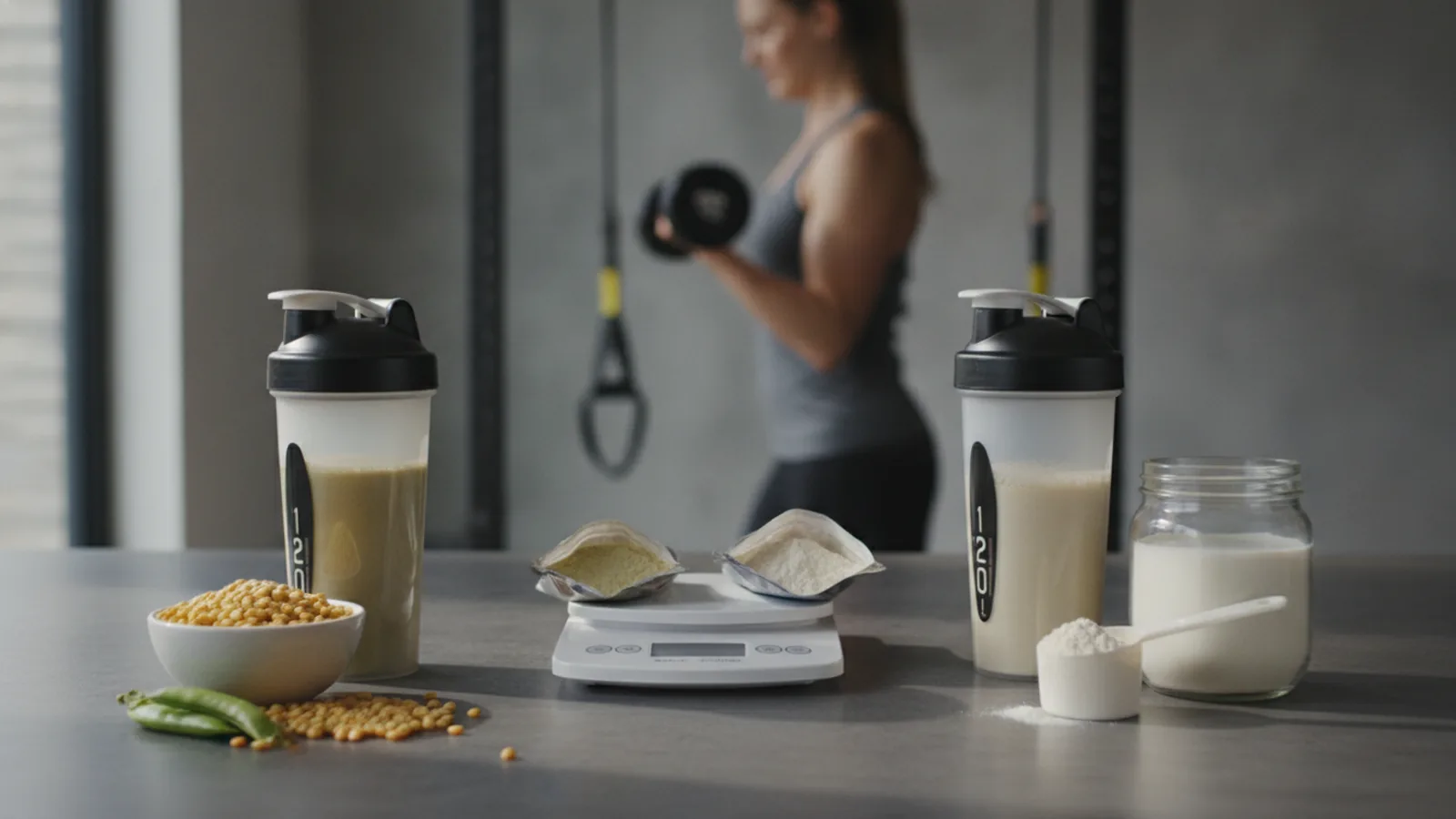
Pea Protein vs Whey: Which Should You Choose?
Head-to-head comparison
Overall winner: Whey for its superior amino acid profile for muscle growth and cost-effectiveness.
For most athletes and fitness enthusiasts focused purely on maximizing muscle protein synthesis at the lowest cost, whey protein remains the gold standard. However, pea protein is an exceptional, high-performing alternative that wins decisively for anyone who is plant-based, has a dairy intolerance or allergy, or prioritizes environmental sustainability in their purchasing decisions.
This comparison is based on extensive product research, analysis of nutritional science, and aggregation of public user feedback. We have not performed direct, hands-on lab testing for this guide.
Head-to-Head Scorecard
Pea Protein vs Whey: Key Differences
At a glance, pea and whey protein seem to serve the same purpose: delivering a concentrated dose of protein to support muscle repair, growth, and overall health. While this is true, their origins and nutritional compositions create fundamental differences that make each one better suited for different people and goals.
The most significant distinction lies in their sources. Whey protein is derived from milk during the cheesemaking process. It's an animal-based protein celebrated for its "complete" amino acid profile and rapid absorption rate, making it a longtime favorite in the fitness community. It comes in several forms, primarily concentrate, isolate, and hydrolysate, which vary in protein content, lactose levels, and price.
Pea protein, on the other hand, is a plant-based protein extracted from yellow split peas. It has emerged as a powerful contender, boasting an impressive amino acid profile of its own and being naturally free from common allergens like dairy and soy. As a plant-derived option, it also carries a much smaller environmental footprint, a factor of growing importance for many consumers in 2026.
These core differences cascade into variations in taste, texture, digestibility, and ultimately, how well each protein fits into your specific lifestyle, dietary needs, and ethical considerations.
Measurement
Routine Fit: Muscle Building Efficacy
The primary reason most people take a protein supplement is to enhance muscle repair and growth, a process known as muscle protein synthesis (MPS). The effectiveness of a protein for this purpose is largely determined by its amino acid profile, particularly its concentration of Branched-Chain Amino Acids (BCAAs): leucine, isoleucine, and valine.
Leucine is the star player, acting as the primary trigger for MPS. This is where whey protein has its most significant advantage. Whey is one of the richest known sources of leucine, providing around 2.5-3 grams per typical 25-gram scoop. It's also a "fast-digesting" protein, meaning these amino acids are rapidly absorbed into the bloodstream, making them readily available to muscles post-workout.
Pea protein is also a high-quality protein source and contains all nine essential amino acids. While its overall BCAA content is slightly lower than whey's, the gap is not as wide as many assume. A quality pea protein isolate can provide about 2 grams of leucine per serving. Research has consistently shown that pea protein can stimulate MPS and lead to comparable gains in muscle thickness and strength when consumed in sufficient quantities post-exercise. A 2015 study published in the Journal of the International Society of Sports Nutrition found no significant difference in muscle gains between participants taking whey and those taking pea protein over a 12-week resistance training program.
However, for the athlete seeking to optimize every possible variable, the higher leucine content and faster absorption rate of whey give it a slight, yet measurable, edge in stimulating the immediate anabolic response.
Measurement
Formula: Digestibility & Allergens
How well your body can tolerate and digest a protein powder is critical. A protein source is useless if it causes bloating, gas, or other digestive distress. This is where pea protein shines and whey often stumbles.
Whey protein is a dairy derivative, which means it contains lactose, a milk sugar that many adults have difficulty digesting. While whey isolate has most of the lactose filtered out (often containing less than 1%), whey concentrate can contain enough to cause issues for lactose-intolerant individuals. Furthermore, whey contains milk proteins like casein and beta-lactoglobulin, which are common allergens.
Pea protein, by contrast, is naturally hypoallergenic. It is free from dairy, lactose, gluten, soy, and nuts. This clean profile makes it an incredibly safe choice for a wide range of people with dietary restrictions or sensitivities. Most users report that pea protein is very easy on the stomach. While some individuals may be sensitive to the fiber or oligosaccharides present in peas, high-quality pea protein isolates have most of these compounds removed, minimizing the risk of bloating.
For anyone who experiences even minor discomfort from dairy products, or for those who simply want to avoid common allergens, pea protein is the clear and obvious winner.
Measurement
Ease of Use: Taste, Texture & Mixability
The best protein powder is one you'll actually consume consistently. Taste and texture play a huge role in this. For years, whey protein has dominated this category due to its relatively neutral and creamy profile, which makes it an easy base for a wide array of flavors, from chocolate and vanilla to more exotic options.
Whey protein, especially isolate and hydrolysate, tends to dissolve easily in water or milk, resulting in a smooth, shake-like consistency with minimal clumping. This has set a high bar for user experience that other protein sources are often measured against.
Pea protein has historically faced challenges here. Early versions were known for a distinctly earthy or vegetal aftertaste and a thicker, sometimes gritty texture. However, manufacturing and flavoring technology has advanced dramatically. Modern, high-quality pea protein isolates have a much milder taste and finer texture. While they still tend to be thicker and less creamy than whey when mixed, many brands have achieved a pleasant, smooth consistency. Despite these improvements, whey's inherent milky creaminess and flavor neutrality give it a general edge for the average palate.
Measurement
Value: Cost & Availability
For many consumers, the price per gram of protein is a deciding factor. The global dairy industry operates on a massive scale, and whey protein is a highly commercialized byproduct of this industry. This economy of scale means that whey protein, particularly whey concentrate, is one of the most affordable protein supplements on the market.
You can find large tubs of reputable whey concentrate for a very competitive price, making it an accessible option for those on a budget who consume protein powder regularly. It is also ubiquitously available, found in virtually every supplement store, supermarket, and online retailer.
Pea protein is becoming more common, but it has not yet reached the same level of market saturation or production scale as whey. The process of isolating protein from yellow peas is more complex and less established than separating whey from milk. Consequently, pea protein isolate is often priced at a premium compared to whey concentrate. While prices are becoming more competitive, on a dollar-for-dollar basis, whey protein typically delivers more protein per serving for less money.
Measurement
Buyer Confidence: Sustainability & Sourcing
The environmental impact of our food choices is an increasingly important consideration for consumers. When it comes to sustainability, the difference between plant-based and animal-based proteins is stark.
Whey protein is a product of dairy farming, an industry known for its significant environmental footprint. Dairy cattle require large amounts of land, water, and feed, and they produce substantial greenhouse gas emissions, primarily methane. While using whey prevents it from becoming a waste product of cheesemaking, its origin is tied to an resource-intensive agricultural system.
Pea protein's journey from farm to shaker cup is far more environmentally friendly. Yellow peas are a sustainable crop. They are nitrogen-fixing, which means they enrich the soil they grow in, reducing the need for artificial fertilizers. Growing peas requires significantly less water and land compared to raising dairy cattle. The carbon footprint of producing pea protein is a fraction of that associated with whey protein.
For the buyer who weighs the ecological cost of their supplements, pea protein is the undisputed champion, offering a high-quality protein source with a much gentler impact on the planet.
Choose Pea Protein If...
- You follow a vegan or plant-based diet. Pea protein is 100% plant-derived, making it a perfect fit for vegan lifestyles.
- You have a dairy allergy or lactose intolerance. It's naturally free from lactose and milk proteins, making it an excellent, bloat-free alternative to whey.
- Environmental sustainability is a top priority for you. Pea protein has a much lower carbon and water footprint compared to dairy-based proteins.
- You are looking to increase your iron intake. Pea protein is a naturally good source of iron, which can be particularly beneficial on plant-based diets.
- You prefer to avoid common allergens. It's a clean option, typically free from soy, gluten, and nuts in its pure form.
Choose Whey If...
- Your absolute number one goal is maximizing muscle growth. The superior leucine content and fast absorption give whey a slight edge for stimulating muscle protein synthesis.
- You are on a tight budget. Whey concentrate is generally the most cost-effective protein powder available per gram of protein.
- You have no issues digesting dairy products. If you are not lactose intolerant or allergic to milk, you can take advantage of whey's benefits without digestive side effects.
- You prioritize a creamy texture and a wide variety of flavors. Whey's neutral base and smooth consistency have made it the industry standard for taste and mixability.
- You want the most researched and widely available protein supplement. Whey has been the subject of decades of sports nutrition research and is available everywhere.
Final Verdict: Pea Protein vs Whey
Both pea and whey protein are highly effective supplements that can significantly support your fitness goals. The "better" choice is not universal; it is entirely personal and depends on your individual priorities, dietary needs, and values.
Whey protein earns its title as the overall winner for the mainstream, performance-focused user. Its scientifically-backed, leucine-rich amino acid profile, rapid absorption, and market-leading affordability make it an incredibly efficient tool for building muscle and aiding recovery. If you have no dietary restrictions related to dairy and your primary concern is an optimal anabolic response for the lowest price, whey protein is an outstanding choice.
However, pea protein has firmly established itself as more than just an "alternative." It is a premier protein source in its own right and the clear winner for a significant and growing group of consumers. For anyone who is vegan, lactose intolerant, or simply seeking to reduce their environmental impact, pea protein delivers results that are scientifically proven to be comparable to whey in terms of muscle and strength gains. Its hypoallergenic nature and sustainable sourcing are powerful advantages that whey cannot match.
Ultimately, your decision is simple. Prioritize maximum anabolic potential and cost-effectiveness? Go with whey. Prioritize digestibility, dietary inclusivity, and sustainability? Choose pea protein. In 2026, you can be confident that either choice will effectively fuel your performance.
Pea Protein vs Whey: Which Should You Choose? FAQ
Can you build the same amount of muscle with pea protein as with whey?
Yes, research indicates that you can. Multiple studies, including a notable one from the Journal of the International Society of Sports Nutrition, have shown that when consumed after resistance training in equivalent protein doses, pea protein promotes gains in muscle thickness and strength that are comparable to those from whey protein. While whey has a higher leucine content, as long as you consume an adequate total amount of pea protein, the end results for muscle hypertrophy appear to be very similar.
Is pea protein a "complete" protein?
Yes, pea protein contains all nine essential amino acids (EAAs), making it a complete protein. However, it is relatively low in one EAA, methionine. For this reason, it's sometimes paired with brown rice protein, which is high in methionine but low in lysine (which pea protein has in abundance). For most people eating a varied diet, this slight imbalance is not a concern, as other foods will provide plenty of methionine throughout the day.
Does pea protein cause gas and bloating?
For most people, pea protein is less likely to cause gas and bloating than whey protein because it is free of lactose. High-quality pea protein isolates are processed to remove most of the fiber and starches (FODMAPs) that can cause digestive issues in some people. However, individuals with a specific sensitivity to legumes may still experience some discomfort, though this is less common.
Which one is better for weight loss?
Both pea and whey protein are excellent tools for weight loss. They both promote satiety, helping you feel fuller for longer and reducing overall calorie intake. They also help preserve lean muscle mass during a calorie deficit, which is crucial for maintaining a healthy metabolic rate. There is no clear winner in this category; the best one for weight loss is the one you tolerate well and enjoy consuming consistently as part of a balanced, calorie-controlled diet.
Can I mix pea and whey protein together?
You can, but it often defeats the purpose of choosing one over the other. If you are using pea protein to avoid dairy or for ethical reasons, adding whey would negate those benefits. From a purely nutritional standpoint, blending them would provide a mix of fast-digesting (whey) and medium-digesting (pea) proteins and a broad amino acid profile, but there is little evidence to suggest this offers a significant advantage over simply consuming an adequate amount of either protein on its own.